
Reviewed · WALKING TOURS
Podgorica: Walking tour, all the secrets of Podgorica
What makes this Podgorica walking tour special is how quickly it mixes city-life strolling with a big-sky change in scenery, you get down to the Morača River without needing transport. It’s built for people who want more than a quick photo run, but also don’t want a long day.
I like that the walk starts where Podgorica’s identity used to be named differently, Titograd and Yugoslavia, so the history has a real anchor. I also like the variety of stops packed into two hours, from the Clock Tower and Millennium Bridge to time in the Ottoman old town and the newer parts of the city.
One drawback to plan for: it runs in all weather. If it’s raining, you’ll still be on your feet, so bring grippy shoes and expect a steady walking pace through pedestrian areas.
Key things you’ll remember from this walk
- Independence Square as the starting point, with stories behind the older names Titograd and Yugoslavia
- Morača River views, including the bridge crossings and how locals use the river in daily life
- Clock Tower and Millennium Bridge for quick, photogenic city highlights
- Itaka Library Bar as a built-in pause that fits a walking itinerary
- Ottoman old town streets where architecture and customs are part of the tour
- Small-group energy, up to 5 people, with time for questions
Independence Square: Titograd echoes in a rebuilt main square
Most Podgorica tours begin with landmarks. This one begins with context, starting at Independence Square near the fountain. The square looks modern in places, but the guide points out something crucial: even when the area is reconstructed, the names you hear connected to Podgorica and Montenegro still carry history. You’re not just looking at buildings, you’re getting a sense of how political eras shape a city’s self-image.
I find that opening move matters. When you start with a place that people actually use as a reference point, you learn where you are fast. And once you’ve got that mental map, everything that comes next makes more sense.
More walking tours in Podgorica:
- Podgorica City Walking Tour
★ 5.0 · 10 reviews - Private Podgorica City Walking Tour
★ 5.0 · 9 reviews - Kotor Old Town Walking Tour
★ 5.0 · 357 reviews
Sastavci and the pedestrian core: learning the city’s rhythm
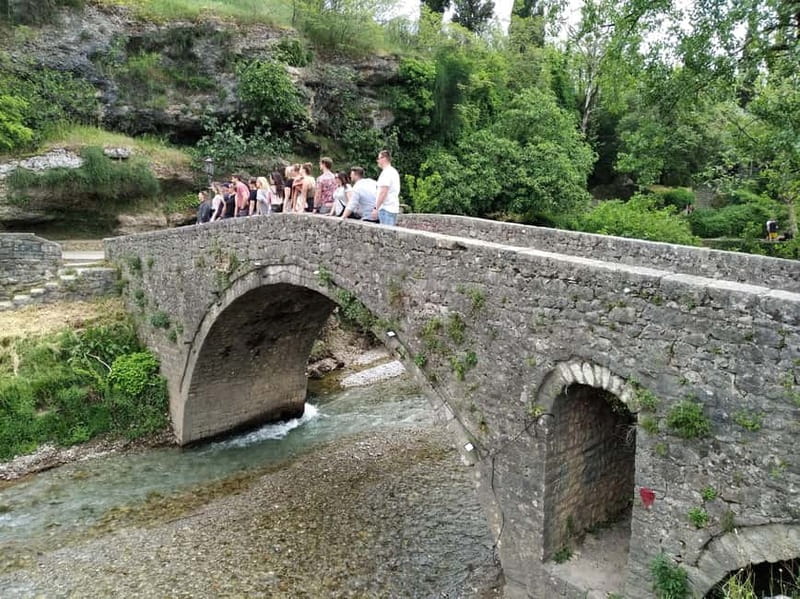
After the initial orientation, the walk moves through the pedestrian zone, where you start to see how Podgorica lives day-to-day. One stop is Sastavci, with time built in for a break, a photo pause, and a short visit. Even if you’re not a big museum person, these small stops are valuable because they slow the tour down just enough for the stories to land.
Then you keep walking through the city center, with short stretches that keep you moving but not rushed. There’s a logic here: Podgorica is compact enough that you can cover a lot on foot, and this tour uses that advantage. You’re not hopping across town. You’re building a sequence, center to river, old core to more recent neighborhoods.
If you like hearing how people actually live, this part is where the guide’s explanations start to feel practical instead of academic.
Morača River: the view is nice, but the meaning is the real prize
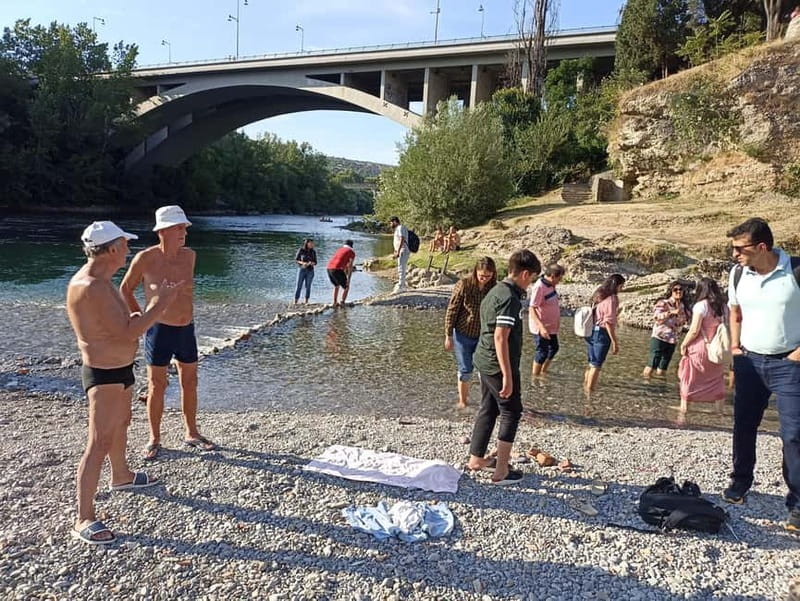
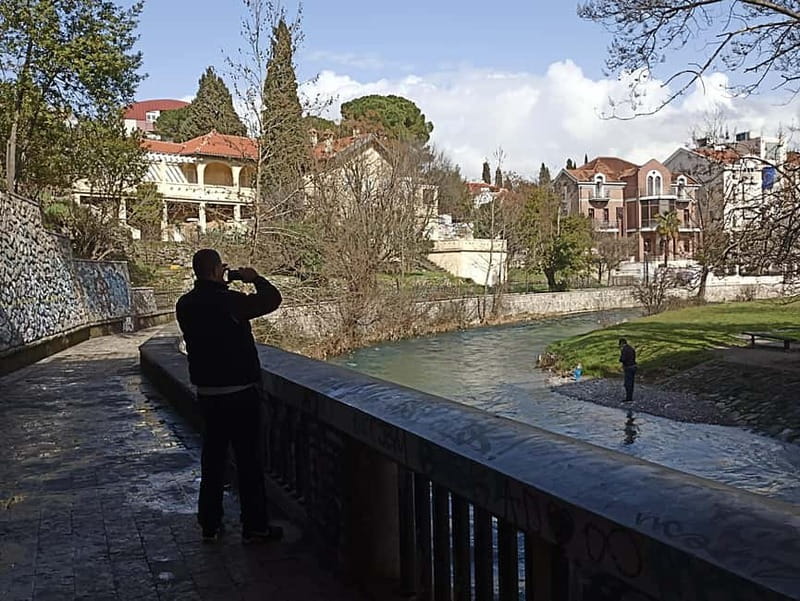
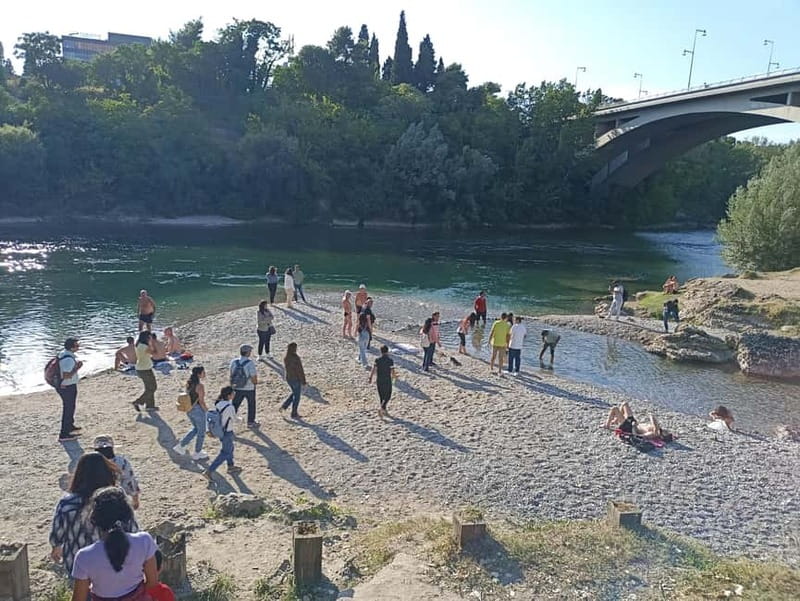
A major highlight comes as the route reaches the river bed of Morača, Podgorica’s most famous river. The tour frames it as one of the five rivers flowing through different parts of the city, so you understand the river system as more than scenery.
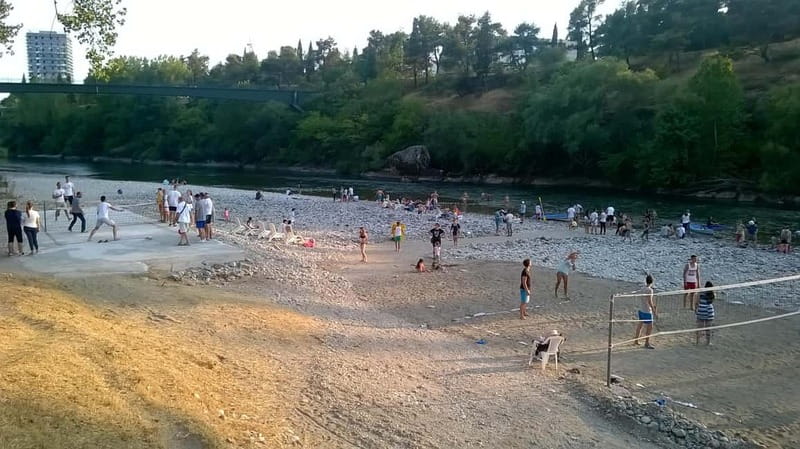
Here’s what you’ll notice on the ground: the river has that green tone people talk about, and the bridges connecting different parts of Podgorica make the water feel woven into daily movement. The guide also explains why the river matters to locals, including how they enjoy it and what it means for the city’s habits.
This is the kind of stop that works whether you’re a history fan or not. If you only care about photos, you’ll still get strong views and good angles. If you care about culture, you’ll appreciate the reminder that a city’s big features often have social jobs, not just aesthetic ones.
Clock Tower to Millennium Bridge: where old and new share the same frame
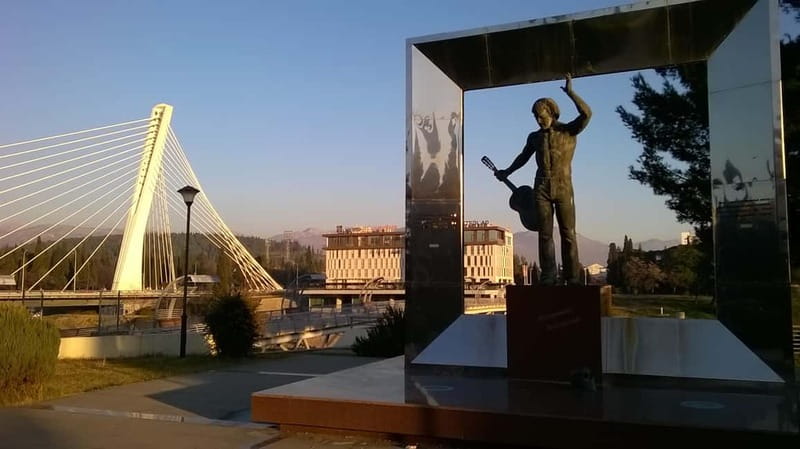
As the walk continues, you hit a classic photo moment at the Clock Tower. It’s short but effective: a photo stop, then time to look and walk through the area. The tour doesn’t treat this as a random landmark. It uses it to keep tightening the story of how Podgorica has developed.
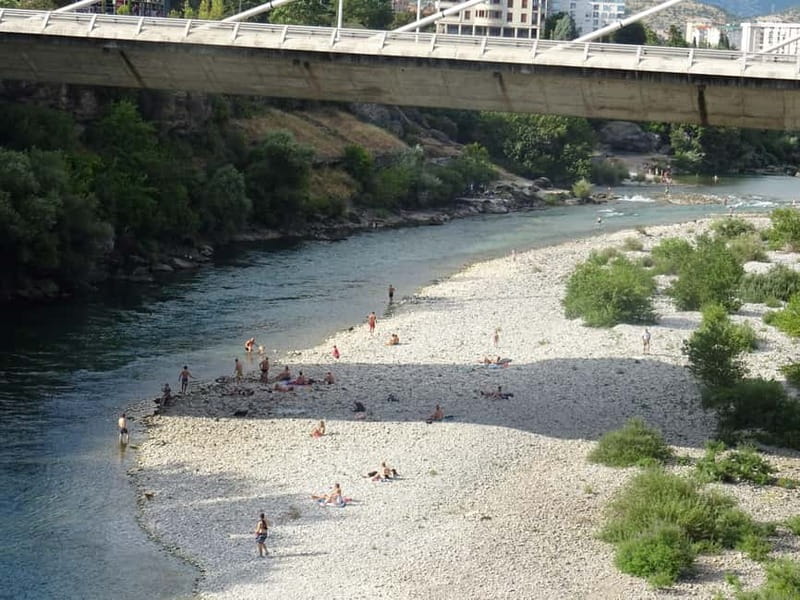
Next comes Millennium Bridge, with a longer 15-minute visit. This is one of those spots where it’s worth stepping back and letting the whole scene come into focus. You get views that connect the river area to the rest of the city, and you also get to see how the modern city expresses itself with architecture and pedestrian movement.
I like bridge stops on walking tours because they’re natural “pause points.” You stand, you take pictures, you breathe, and then you’re ready for the next chapter.
A few more Podgorica runs worth a look
- Skadar Lake National Park Guided Boat Tour with Wooden Boat
★ 5.0 · 91 reviews - Best from our coast (Kotor bay, Budva, Sv Stefan, Skadar lake)
★ 5.0 · 79 reviews - GREAT MONTENEGRO TOUR Cetinje – Njeguši – Kotor – Budva – Bečići – Saint Stefan
★ 5.0 · 69 reviews - Skadar Lake National Park: Guided Boat Tour to Kom Monastery
★ 4.5 · 49 reviews
Itaka Library Bar: a real-life break in the walking flow
One of the more interesting itinerary choices is the stop at Itaka Library Bar, with time to walk over and sit. The tour doesn’t force you to buy anything, but it gives you the option to take a break in a place that fits the city’s vibe.
For me, this is a smart pacing move. Two hours can evaporate fast in a busy city. Giving you a spot to slow down helps you remember what you learned earlier, especially after the river and bridge segment.
If you’re the type who likes to plan one simple comfort stop on foot tours, this is that built-in moment. And if you’re not, you can still use it as a rest without making it a whole event.
Ottoman old town: architecture and customs you can actually see
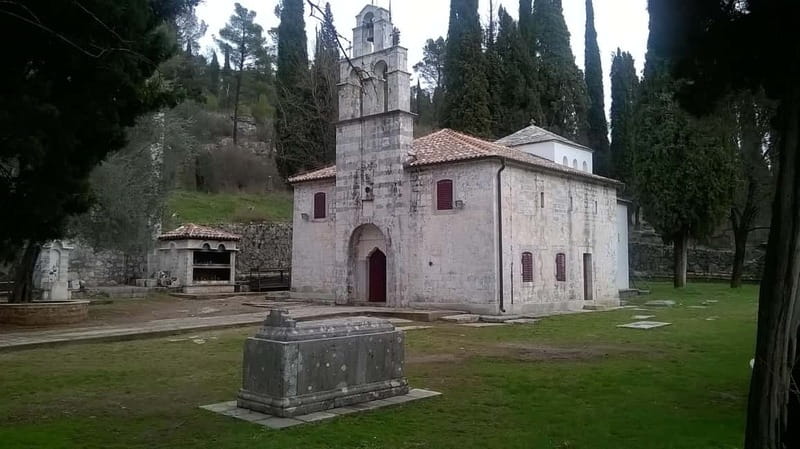
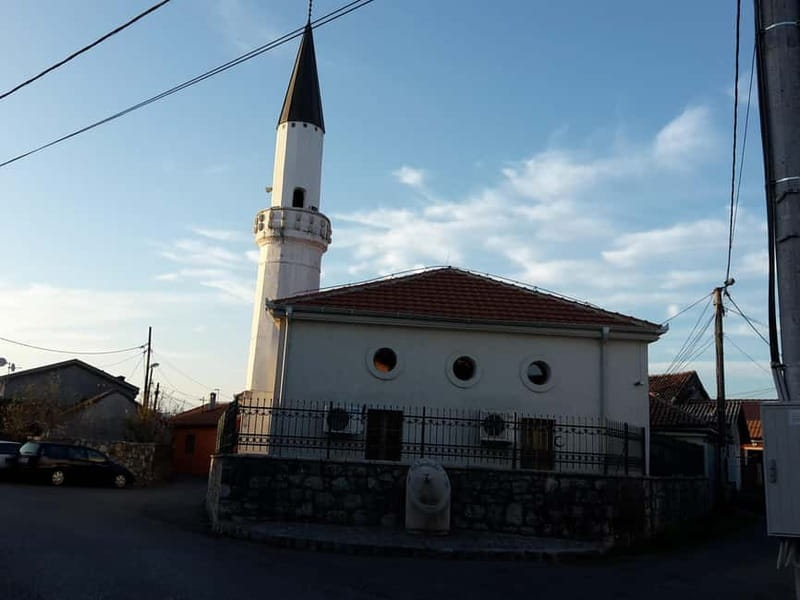
The tour’s heart is the historical core, the old town, shaped by the long presence of the Ottoman Empire. This is where you shift from broad city development to detailed observation: the guide points out typical architectural features from that era and connects them to daily life patterns you can infer as you walk.
What I like about this portion is that it’s not only about dates. You’re walking through older streets where the built environment still carries clues about how people moved, traded, lived, and gathered. When the guide ties that look to customs and local way of life, the old town stops feeling like a backdrop and starts feeling like a place with logic.
A small caution: old streets can mean tighter walking routes and uneven ground in places. The tour is manageable, but if you’re wearing flimsy shoes, you’ll notice it.
Newer Podgorica energy and the optional museum or coffee stop
After the Ottoman-era focus, the last part of the walk shifts toward areas that show a different city energy. The idea is to keep you from thinking of Podgorica as only its past. You get glimpses into how newer generations live, so you leave with a more complete sense of the city.
There’s also an optional add-on depending on what you feel like doing: you can visit the town museum, or you can take a pause for coffee or a quality beer from small town breweries. That flexibility is part of the value. You’re not locked into spending money on food and drinks, but you do have a chance to experience local flavor if the timing and mood match.
The tour ends where it began, back at Independence Square, which is a good finishing strategy. Once you’re back at the starting point, you’re more likely to remember where the main landmarks sit relative to each other.
Guides, questions, and why this tour scores so high
This is where the small-group size really matters. With a group size capped at up to 5, the guide can answer questions without the tour turning into a lecture.
In recent bookings, guides named Nino and Stefan stood out for being friendly, organized, and genuinely engaged. One guide, Stefan, even kept the energy going while it rained, which is a good sign if you’re worried about weather. Another guide, Nino, was praised for explaining history and connecting it to what you can see as you walk.
You’ll also appreciate the tour approach if you like discussion. The format is walking-first, but it doesn’t block questions. If you like asking why something is where it is, or what a structure used to mean, you’re likely to get helpful answers.
Price and value: $100 per group can work out very well
The price is listed as $100 per group up to 5 people for a 2-hour walking tour. That sounds simple, but the math is what makes it interesting. If you’re traveling with friends and you book a full group of five, your per-person cost can be far lower than many “per person” city experiences. If you’re booking for just one or two people, the total cost stays the same for the group, so your best value comes from sharing the group price.
The other value point is time and coverage. In two hours, you cover the city center, reach the Morača river area, and continue through the old town and back to the main square. That’s a lot of “you’re already here” benefit for a short window.
One more practical note: food and drinks are not included. You’re not paying extra for meals, which is good if you want to keep costs controlled. If you do choose coffee or beer along the way, plan on paying at the stop.
Who this Podgorica walk is best for
This tour fits you if:
- You want a short walking window that covers several distinct parts of Podgorica
- You like city history explained in plain language, tied to what you see
- You’re interested in Ottoman influence and how it shows up in everyday street life
- You enjoy river views and want to understand why locals care, not just admire them
It might feel less ideal if:
- You dislike walking for the full 2 hours in changing weather
- You only want major museum stops, because the focus is streets, rivers, and city segments
Should you book this tour?
I’d book it if your main goal is to understand Podgorica fast, with a guide who can connect names, architecture, and everyday life. The river stop plus the Ottoman old town segment make it more than a simple highlight walk. And the small group size keeps the tone personal, so you can ask real questions.
If you’re cautious about weather, just show up ready for it. Bring grippy shoes and a light rain layer. This tour runs in all weather, so plan like a local, not like a tourist who expects the sky to cooperate.
FAQ
How long is the Podgorica walking tour?
The tour lasts about 2 hours.
Where do we meet the guide?
You meet at Independence Square (Trg Nezavisnosti) near the fountain. The guide holds a sign with their name and the agency name.
What is the price?
It is $100 per group up to 5 people.
Is the tour only in good weather?
No. The tour takes place in all weather conditions.
Is there an English speaking guide?
Yes. The tour includes an English speaking guide.
What is included in the tour?
The tour includes the English speaking tour guide.
Are food and drinks included?
No. Food and drinks are not included, though the guide may offer the option to stop for coffee or a beer if you want.
Newest reviews from Podgorica
- Podgorica: Biogradska Gora, Moraca and Kolasin Day Tour★ 5.0 · 3 reviews
- From Virpazar: Visit Karuč, the hidden pearl of Lake Skadar★ 5.0 · 3 reviews
- Podgorica by E-Bike: Culture, Hidden gems & Rivers★ 5.0 · 3 reviews
- Book Your Tour Ostrog Monastery★ 3.5 · 3 reviews
- Skadar Lake National Park: Private Guided Tour to Kom Monastery★ 5.0 · 3 reviews
- Podgorica Car Trip, Doclea city, Wine tasting, Niagara falls★ 5.0 · 3 reviews
- NORTH TOUR Np Biograd Gora-Lake-Moraca Canyon & Monastery-Kolasin★ 5.0 · 3 reviews
- Private Montenegro Tour – Cetinje, Kotor & Budva visit★ 4.5 · 3 reviews
Walking Tours, compared.
Private Kotor Walking Tour – Rick Steves Recommended
Read our review →Browse the lists this tour appears in