Reviewed · TOURS
Podgorica: Spiritual Wonders & Scenic Beauty Monastery Tour
Montenegro has a way of mixing faith, rock, and serious views, and this Podgorica monastery tour strings that together in one packed 6.5-hour day. You’ll go from a cave-carved monastery to a modern cathedral, then up to cliff-top Ostrog, with stops that feel different even when the setting stays unmistakably Balkan. It’s a strong choice if you want more than one “wow” moment without spending all day driving yourself.
I especially like the sequence of sacred places that keeps changing the mood, from Dajbabe’s cave-cross shape to Ostrog’s sheer cliff perch. I also like the practical side: hotel pickup and an air-conditioned car, plus a professional English-speaking guide named Tamara who shares stories and even helped with traditional snacks during my experience.
One thing to consider is that the day is religion-heavy and involves time spent looking around on foot, so it’s not a wheelchair-friendly outing. Also, weather can shift quickly in Montenegro, so bring a rain layer if your dates are in the wetter season.
Key highlights worth planning around
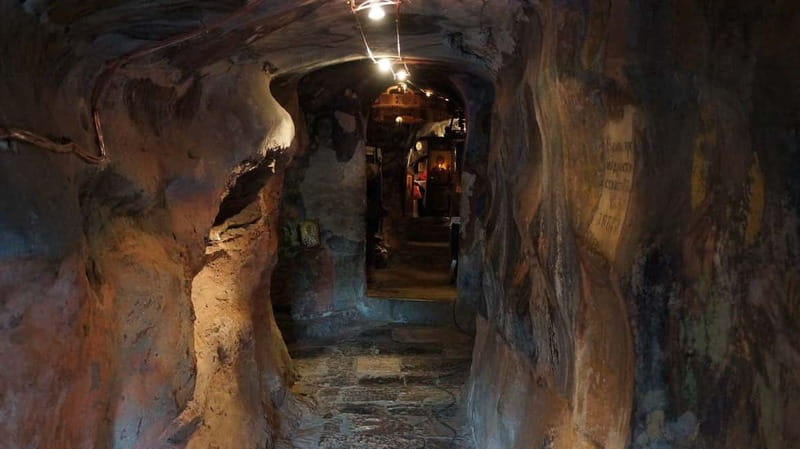
- Dajbabe Monastery carved in a cave, shaped in the form of a cross for a very distinct atmosphere
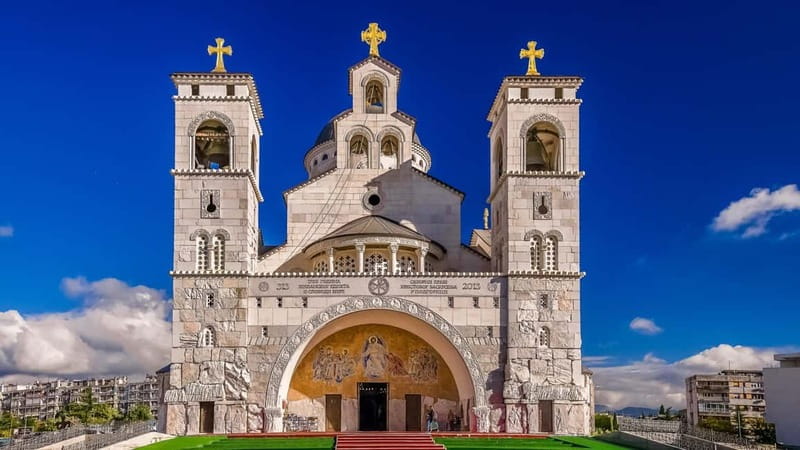
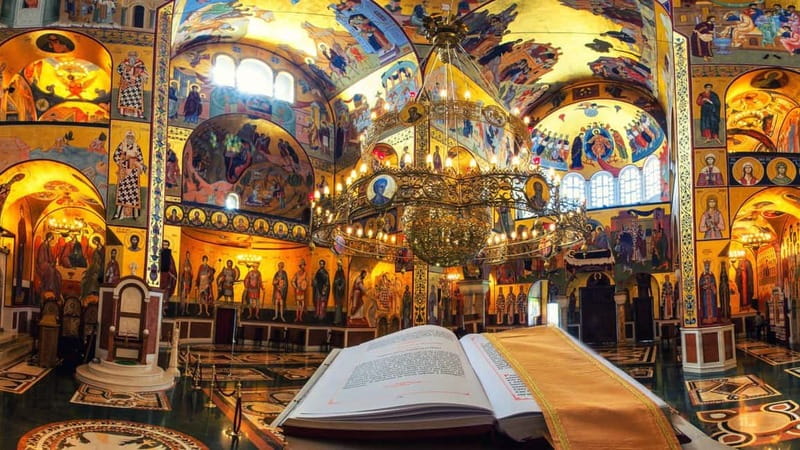
- Cathedral of the Resurrection of Christ in Podgorica, a modern structure built over 20 years with medieval-inspired techniques
- Ždrebaonik Monastery, called the hero among monasteries, rebuilt multiple times and still active as a convent
- Icon-making and religious souvenirs, with a workshop run by the resident sisters at Ždrebaonik
- Sokoline Restaurant break with panoramic river valley views and time to eat without rushing
- Ostrog Monastery, reached at the end of the day, carved into a cliff about 900 meters above sea level
A 6.5-hour day that actually feels efficient
This tour is built for people who like structure. You’re picked up in Podgorica, then you move through a set route with guided time at each main stop. The total duration is 6.5 hours, so it’s long enough to feel like a real outing, but not so long that you lose the day to travel.
The value isn’t only the sites. It’s that you get everything handled: professional guide, transport by air-conditioned car, entrance fees, and hotel pickup and drop-off. If you’ve ever tried to connect Montenegro’s religious landmarks by bus or taxi in a day, you know how quickly timing gets messy. This keeps you moving.
For a private group, the pace is also more human. You can ask questions, and you’re not stuck waiting behind a large crowd. My favorite part of the guide experience was how Tamara was friendly and easy to talk to, while still giving real context so the places made sense, not just photos.
Picking up in Podgorica and getting your bearings fast
You start right in Podgorica with pickup from your hotel or address. That matters more than it sounds. With monastery days, you’ll spend less energy figuring out logistics and more energy noticing details.
Early on, you’ll have guided time with the first sites. The tour includes several guided blocks of 1 hour, 45 minutes, and 30 minutes before you reach the food break and the final climb to Ostrog. That rhythm is deliberate. You get information while you’re close enough to see what the guide is talking about, instead of hearing it later when you’re back in the car.
If you’re the type who likes taking in surroundings, you’ll appreciate that the tour includes a photo stop with coffee and sightseeing. It’s a built-in buffer, so you’re not stuck hungry and cold while you scramble for a photo.
Dajbabe Monastery: a cave-cross you can feel
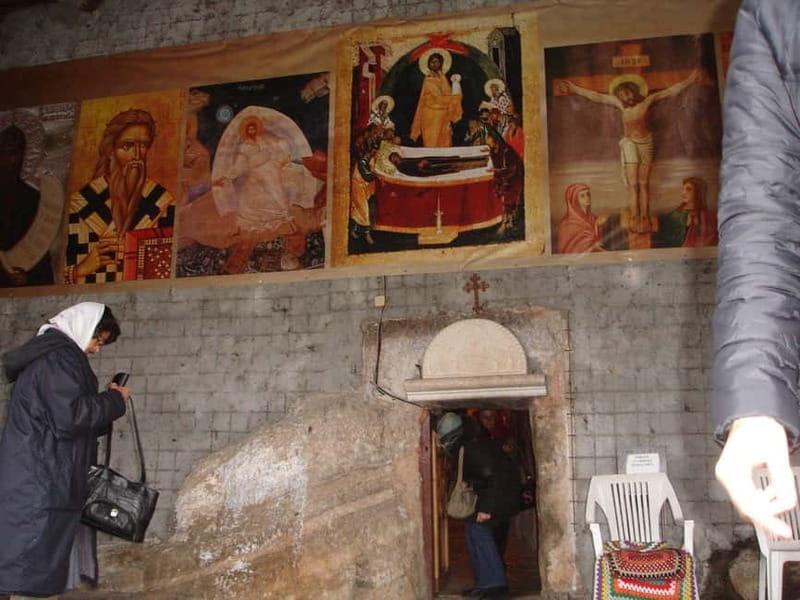
The day opens at the Dajbabe Monastery, famous for being carved directly into rock inside a cave-like setting. It’s shaped like a cross, created through a mix of nature’s structure and human devotion. That combination is what makes the stop memorable.
Why it works for your visit:
- You’re not just looking at a building. You’re inside an environment where stone and faith meet in one tight space.
- The cross shape gives you an instant visual anchor, even if you’re not used to Orthodox religious architecture.
A quick practical thought: cave settings can mean cooler air and more dampness than the street. If you’re sensitive to temperature changes, dress in layers. And if you like photography, you’ll probably want to take time here rather than rushing to the next stop. This is the kind of place where slow observation pays.
Podgorica’s Cathedral of the Resurrection of Christ: modern, built to echo the past
Next comes the Cathedral of the Resurrection of Christ in Podgorica. This isn’t an ancient ruin. It’s described as monumental and modern, and the construction took 20 years. What I like about this stop is that it connects time periods through building technique, using inspirations from medieval styles that had been out of use for centuries.
You’ll see it as an architectural statement, not only a church. The guide’s job here is important: you’ll get the story behind the design approach, so your eyes know what to look for beyond simple wow factor.
Timing tip: expect this to be a more structured visit than the cave monastery. It’s a major site, so you may spend more time observing and absorbing rather than wandering.
Ždrebaonik Monastery in Danilovgrad: the hero among monasteries
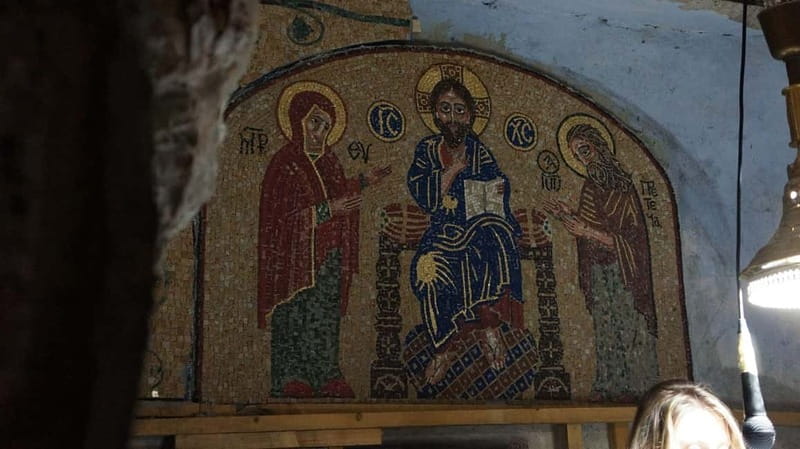
Then you head toward Ždrebaonik Monastery in Danilovgrad. It’s often called the hero among monasteries, mainly because it has been destroyed and rebuilt multiple times through the region’s conflicts. Today it’s a thriving convent, so you’re not viewing an empty attraction. You’re seeing a religious community that continues to function.
What makes Ždrebaonik genuinely worth the drive:
- You learn about monastic life as it exists now, not only what used to happen there.
- The stop includes practical culture, since Ždrebaonik houses a library and convent spaces like nuns’ dormitories.
- There’s a workshop where resident sisters create icons and religious souvenirs.
That last part is where the tour becomes more than sightseeing. Seeing how icons are made gives you a respect for the craftsmanship behind the devotion. It also helps you understand why religious art in the Balkans is often both spiritual and intensely skilled.
If you’re buying something, focus on quality and meaning rather than speed. The tour’s schedule is tight enough that you’ll be tempted to grab souvenirs quickly. Slow down here if you can. It’s the best place in the day for a purchase that feels connected to the people who live the tradition.
The Sokoline Restaurant break: views, food, and a breather
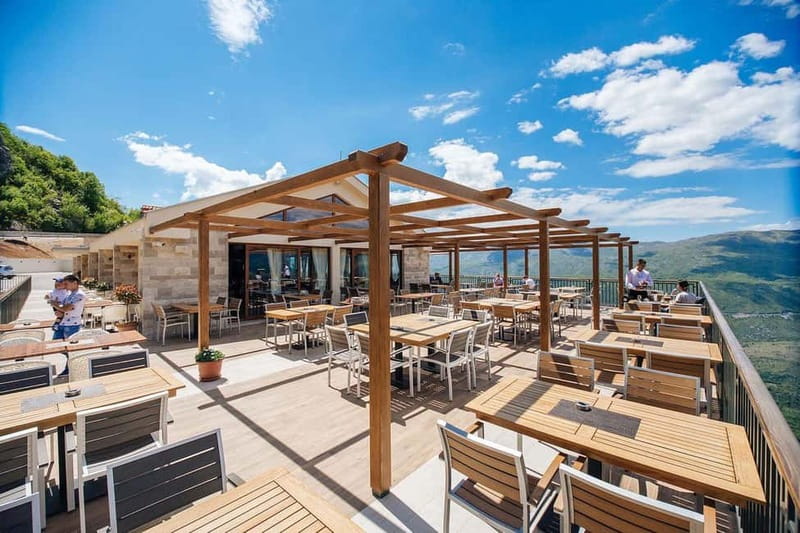
After the monastery sequence, you’ll take a break at Sokoline Restaurant. The big draw is the panoramic view over the Zeta River valley and surrounding villages. This is your downtime, and it matters because Ostrog later involves a lot of looking up, walking around, and absorbing a dramatic setting.
The meal is described as a delicious Montenegrin outing, and you’ll have time to eat while the scenery unfolds below you. In a day filled with sacred sites, a good restaurant stop keeps the whole experience balanced.
If rain is in the forecast, this is a good time to eat something warm and settle in. In my experience, when the weather shifts, it changes what you notice in Montenegro. And one helpful reminder from the real-world experiences is that storms can alter the look of waterfalls and water flow in the area. So even on a cloudy day, don’t assume you’ll miss the magic. You might get a different kind of show.
Ostrog Monastery: cliff-carved faith at the end of the day
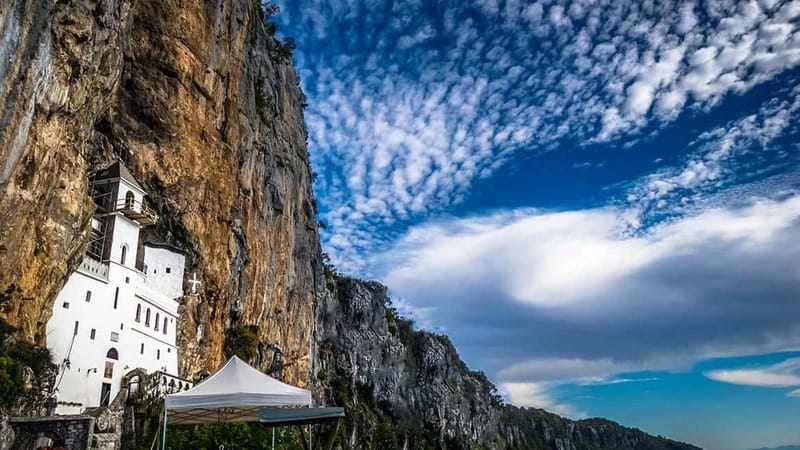
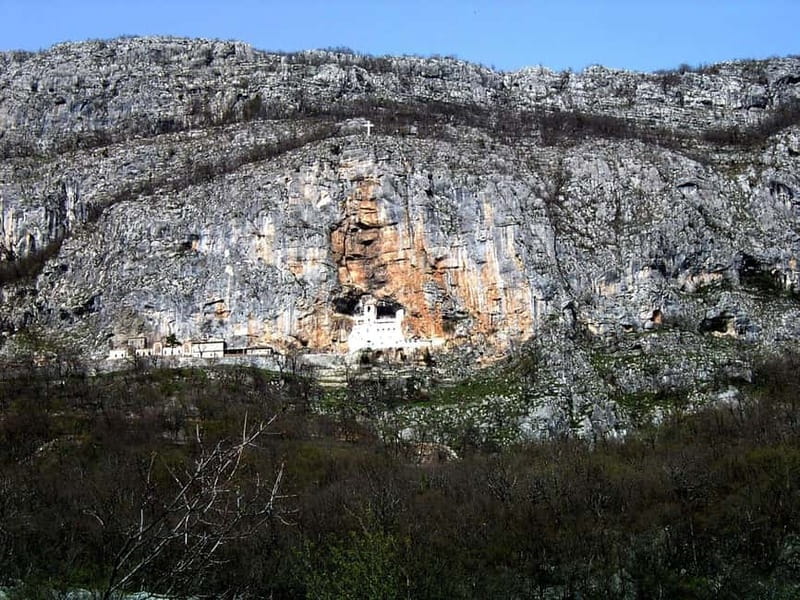
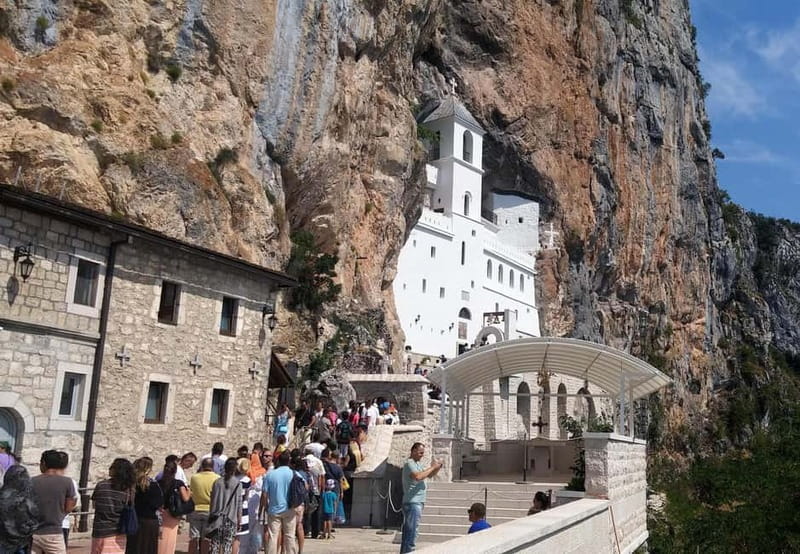
The tour culminates at Ostrog Monastery, one of the most revered pilgrimage sites in the Balkans. It sits about 900 meters above sea level, carved directly into a sheer cliff. That engineering detail is a huge part of why the place feels unreal.
This stop is built for atmosphere. It’s a 17th-century pilgrimage site where many people believe in miracles and healing. Whether you follow the faith or you’re simply there for the culture, the atmosphere can move you because the place is so stark and purposeful. The cliff setting forces your attention upward, and the views help you understand why it became a destination.
What to expect during the visit:
- You’ll have a guided visit and time for sightseeing, around 1 hour.
- You’ll likely spend that hour balancing looking around with taking in the views from the monastery area.
Practical consideration: because Ostrog is a cliff site, you should wear sturdy shoes. Even when the walk doesn’t sound long, the surfaces and slopes can be uneven. If you’re someone who gets tired quickly, plan your pace so you can enjoy the views instead of rushing for the next photo.
Price and value: why $171 makes sense on a monastery circuit
At $171 per person for a 6.5-hour guided outing, this price can feel high at first glance. But here’s why it usually works out well.
You’re paying for:
- A professional English live guide
- Air-conditioned transport
- Entrance fees to all sites
- Hotel pickup and drop-off
If you were to price this yourself, it typically becomes a puzzle of car or taxi rides, timed entry tickets, and a guide cost that you might not even be able to line up for all stops. This tour bundles it, so your day runs smoothly and you get context at each site.
Also, the private group setup is a value enhancer. You’re not just sharing time with random people. You’re traveling with a guide who can tailor explanations and keep questions in the loop. That’s the kind of difference you feel when your guide, Tamara, is friendly and talks clearly, including sharing details that connect the stones and stories to real human life.
Who this tour suits, and who might want to rethink it
This outing is a good match if you:
- Want multiple monastery highlights in one day from Podgorica
- Prefer guided context rather than wandering alone
- Like religious art and cultural stories, especially at Ždrebaonik and its icon workshop
- Appreciate a structured itinerary with meals and photo time included
You might want a different plan if:
- You need wheelchair access. This tour is not suitable for wheelchair users.
- You’re hoping for a mostly casual sightseeing day with minimal walking and lots of free time. This is guided and religiously focused, with set stops.
If you’re traveling in shoulder seasons or rainier periods, pack for weather. One real note from the experiences is that rain can change what you see, including altered waterfall views after storms. That doesn’t ruin the day. It just means you should come prepared with a waterproof layer and accept that the scenery might look different than on clear days.
The guide experience: Tamara’s storytelling makes the sites click
I’m going to be honest about what makes this tour better than a drive-by checklist. The guide matters. In these experiences, Tamara comes across as friendly and easy to speak with, and she shares lots of knowledge and stories tied to the sights.
There’s also a small, human touch that I love: Tamara even bought traditional snacks during the day. That’s not something you should expect as a standard, but it matches a pattern of care. The tour doesn’t feel like a rigid handoff between stops. It feels like someone is guiding you through a meaningful route with real explanations.
If you’re the type who likes to understand what you’re looking at, a good guide can turn a collection of churches and monasteries into a coherent story. And that’s exactly what you get here.
Should you book this Podgorica monastery tour?
Book it if you want a well-paced monastery day that mixes unique architecture, living convent life, and a dramatic finale at Ostrog. With hotel pickup, transport, entrance fees, and an English-speaking guide, the logistics are handled, and the day runs on time.
Don’t book it if you require wheelchair access, or if you prefer a more relaxed itinerary with less guided structure. Also, if you dislike religious sites in general, this may feel like too much of the same theme in one day.
If you’re trying to see the best of Montenegro’s spiritual highlights without stressing about planning, this is a solid pick. The combination of Dajbabe’s cave cross, Ždrebaonik’s rebuilt convent life, and Ostrog’s cliff monastery setting is exactly the kind of day that makes a short trip feel like it counted.
FAQ
Where does the tour start and end?
The tour includes pickup and drop-off back at Podgorica, with pickup from any hotel or address.
How long is the Podgorica monastery tour?
The total duration is 6.5 hours.
What sites are included on the tour?
You visit Dajbabe Monastery, the Cathedral of the Resurrection of Christ in Podgorica, Ždrebaonik Monastery, a break at Sokoline Restaurant, and Ostrog Monastery.
Is there a guided component at each stop?
Yes, the tour includes guided time at multiple stops, including guided sightseeing at Ostrog Monastery.
Is the tour guide available in English?
Yes, the live tour guide is English-speaking.
What does the price include?
The price includes a professional guide, transport by air-conditioned car, entrance fees to all sites, and hotel pickup and drop-off.
Is the tour suitable for wheelchair users?
No, it is not suitable for wheelchair users.
Is there time for coffee or photos?
Yes, the itinerary includes a photo stop with coffee and sightseeing for about 1 hour.
What is the cancellation policy?
You can cancel up to 24 hours in advance for a full refund.
Tours, compared.
From Dubrovnik: Montenegro Boat Tour from Perast to Kotor
Read our review →
Swim in the Blue Cave + Lady of the Rocks Tour
Read our review →
Blue Cave, Submarine Base and Lady of the Rocks Tour
Read our review →
Skadar Lake National Park: Guided Boat Tour to Kom Monastery
Read our review →
Skadar Lake National Park: Guided Boat Tour with Wooden Boat
Read our review →
Great Montenegro Tour-Lovcen NP,Mausoleum Lovcen,River of Crnojevic,Sveti Stefan
Read our review →